Max Edwards, Managing Director of Ber Street based Affinity Agency booked an EV consultation with Luke Muldoon of Norwich Electricians, with no prior communication.
The business was about to take delivery of a new Hybrid pool car – for staff visits to clients around the Norwich area.
Managing an established agency with a large team of staff, Max wanted his questions answered about EV charging at the workplace, honestly and efficiently.
And who better to help, than Norwich Electricians with an online diary offering EV consultations with a few clicks?
As with anyone entering the world of EV charging/ownership there were questions and concerns, particularly around getting a perfect fit solution, first time.
We asked questions about their needs and answered questions, without the need to impress using jargon or industry talk.
We advised that there was a Workplace Charging Scheme grant available from OZEV and what the requirements were to achieve this.
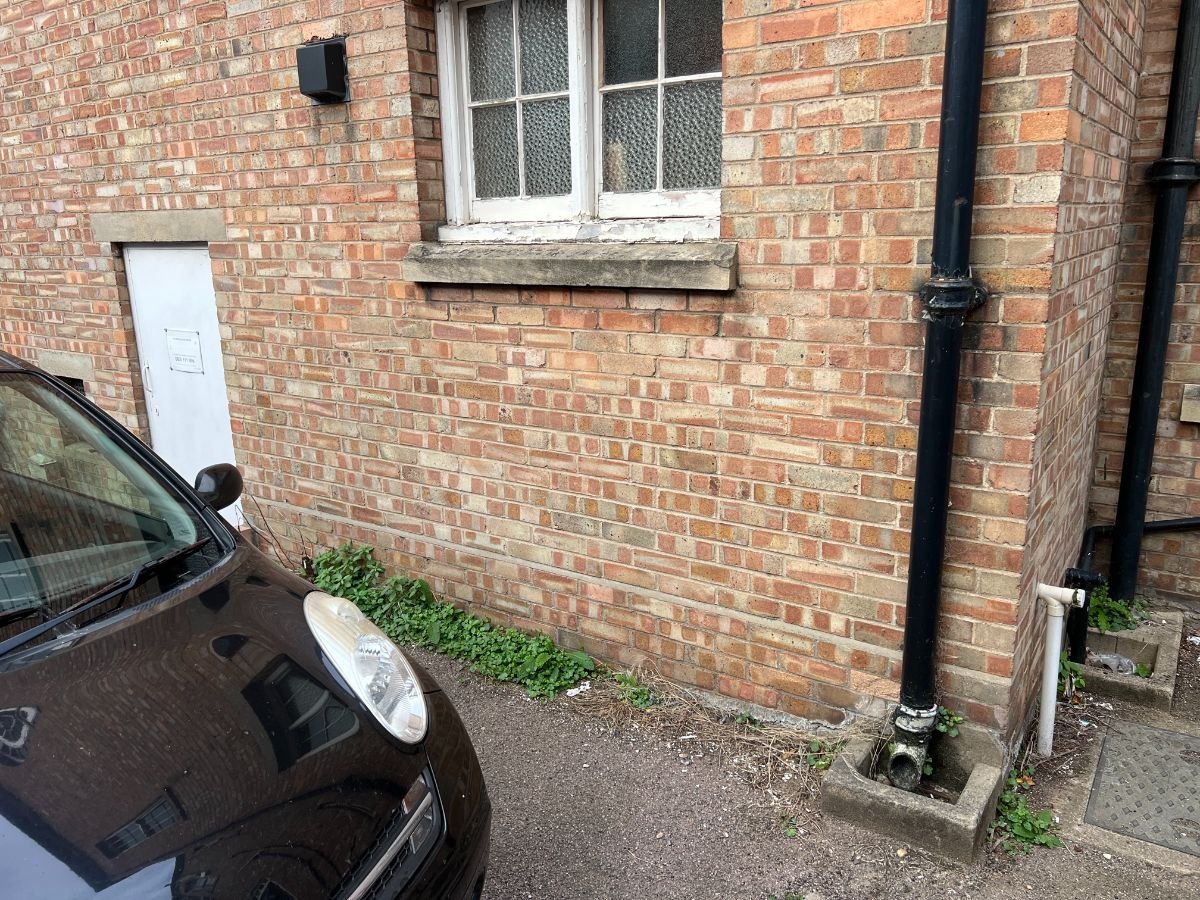
The carpark is adjacent to a John Lewis collection point where internet orders are collected from. To say there is a high volume of traffic would be an understatement.
There has been a history of unauthorised parking at weekends which although not detrimental to the business, the owner does not want to facilitate free EV charging at his own expense, naturally.
With the requirement to restrict public use of the charger it was necessary that any solution would need to be considerate to the needs of all staff, without requiring individual app logins or access to a pooled phone.
With around 12 workstations, general office equipment and lighting – there was already a considerable load on the building’s electrical system. Despite the building covering a large area over 2 floors, the maximum supply to the building was less than a modern 3-bedroom house.
Upgrades to increase this would have come at a considerable cost and delay.
Due to the charger location being down an unlit back alley in the city centre, minimising opportunist cable theft was a sensible consideration. Any theft of a tethered cable would render the charger useless possibly requiring an entire replacement.
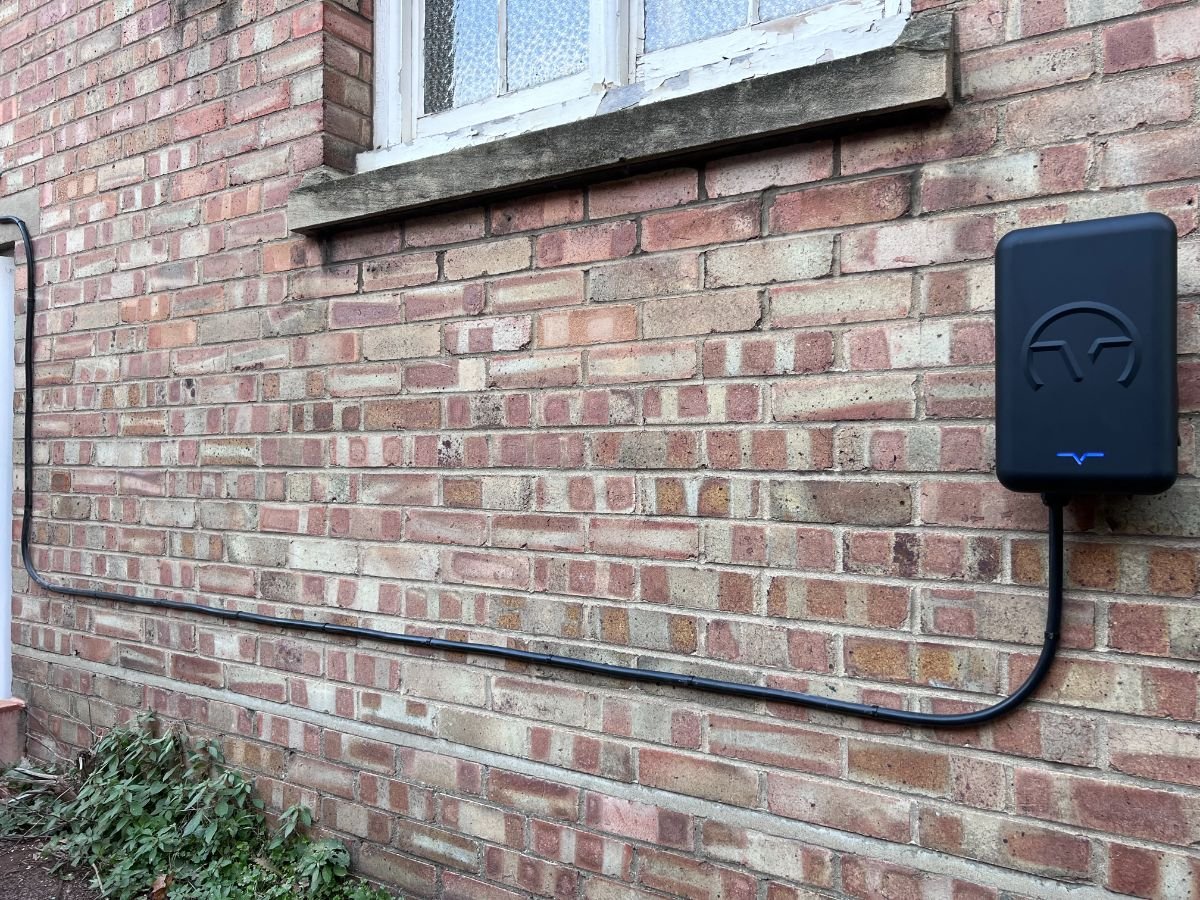
An RFID tag enabled EV charger – with an RFID tag left inside the vehicle and/or attached to the keys allowing for restriction to unauthorised persons whilst maintaining easy access to all members of staff with no apps required.
A single-phase EV charger with load-management – with a maximum measured value set. In the event of this value being exceeded the EV charger would either curtail its output or, pause charging until the electrical demand within the building is lower.
This meant that increasing the available supply was not necessary and the installation wasn’t subject to additional costs or delays.
A socketed unit – quick and easy cable theft is not possible like with a tethered unit meaning charger availability is maximised.
An OZEV registered charger that reduced the total cost by £350 with Norwich Electricians assisting with the grant application and redemption.
What was the outcome?